
Kling O1 vs Wan 2.5: Ultimate AI Video Generator Showdown 2025
Kling O1 vs Wan 2.5: The Ultimate Showdown in AI Video Generation – Which Model Reigns Supreme in 2025?
In the fast-evolving world of AI video generation, 2025 has been a landmark year for creators, marketers, and filmmakers. Tools like Kling O1 and Wan 2.5 are pushing the boundaries of what's possible, turning simple text prompts or static images into cinematic masterpieces. If you're searching for "Kling O1 vs Wan 2.5," "best AI video generator 2025," or "text-to-video AI comparison," you've landed in the right place. This in-depth analysis dives deep into their features, performance benchmarks, real-world use cases, and more, helping you decide which tool aligns with your creative needs. Whether you're crafting social media reels, advertising spots, or short films, understanding these models' strengths will elevate your workflow.
AI video generation isn't just a trend—it's a revolution. According to recent industry reports, the global AI video market is projected to hit $10 billion by 2027, driven by accessible tools that democratize high-quality production. Kling O1, launched by Kuaishou on December 1, 2025, positions itself as the world's first unified multi-modal AI for seamless generation and editing. Wan 2.5, Alibaba's open-source powerhouse released in October 2025, counters with cost-effective, audio-synced videos that rival premium competitors like Google's Veo 3. Both excel in text-to-video (T2V) and image-to-video (I2V) tasks, but their approaches differ: Kling O1 emphasizes editing versatility, while Wan 2.5 prioritizes affordability and native audio integration.
In this guide, we'll break it down section by section, with embedded visuals to illustrate key points. By the end, you'll have a clear verdict on "Kling O1 vs Wan 2.5 for text-to-video" and tips to get started. Let's jump in.
What is Kling O1? A Deep Dive into the Multi-Modal Marvel
Kling O1, often dubbed "Omni One," isn't your average AI video generator—it's a comprehensive creative suite rolled into one model. Developed by Kuaishou's Kling AI team, it launched amid fierce competition from Runway and Google, boasting internal benchmarks that claim superiority in image referencing and video editing. At its core, Kling O1 uses a multimodal transformer architecture, enabling it to process text, images, and videos in a unified pipeline. This means you can generate a 3-10 second clip from a prompt, then edit it on the fly without switching tools.
Key features include:
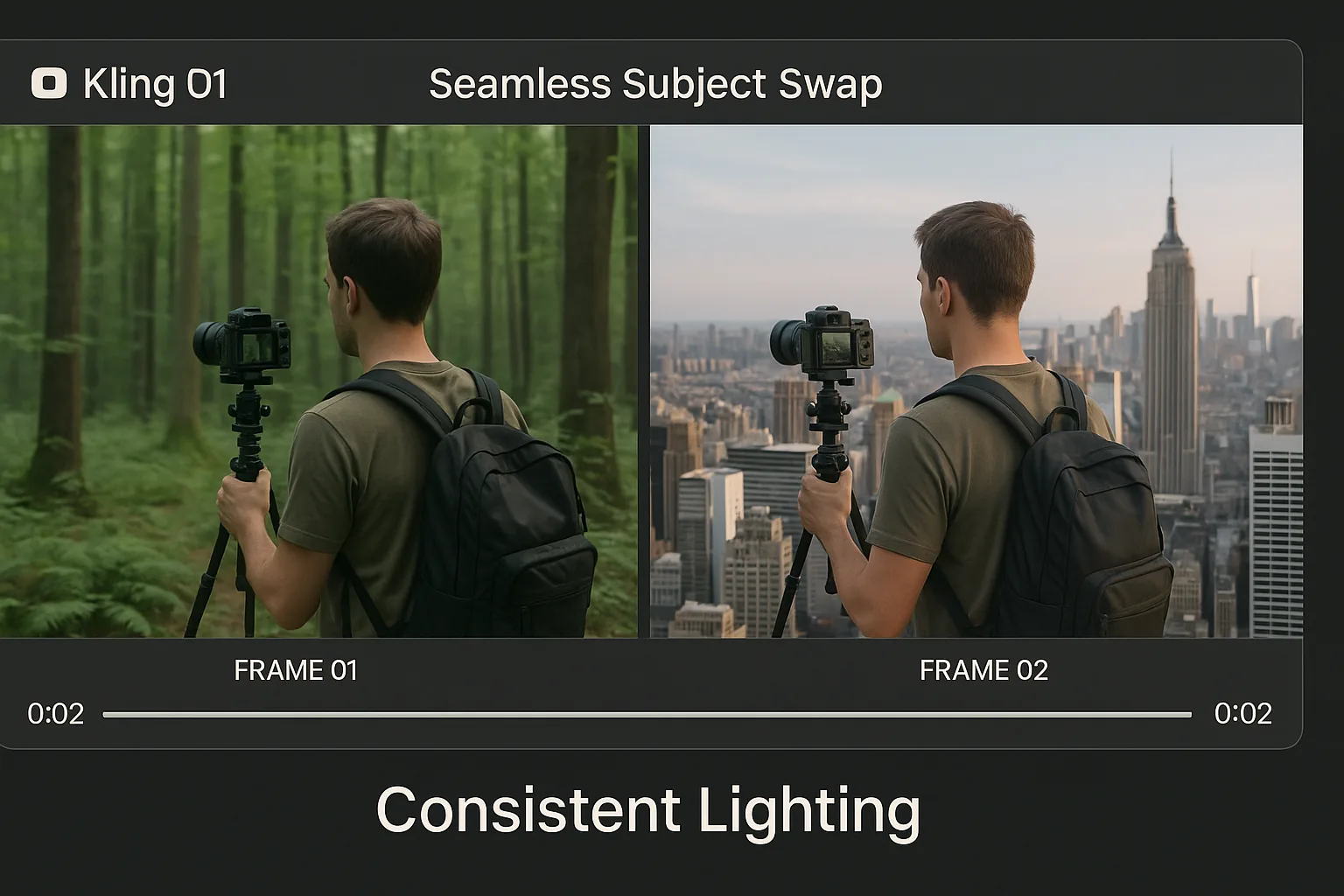
- Multi-Elements Editing: Swap subjects (e.g., replace a cat with a wolf), alter backgrounds, or tweak styles in one prompt. No manual masking required—Kling O1 handles object addition, deletion, or modification with precision.
- Subject Consistency: Up to 10 reference images can be incorporated, ensuring characters or props remain identical across shots. This is a game-changer for storytelling, maintaining facial features, clothing, and poses even in dynamic camera moves.
- Lip-Sync and Audio Sync: Native support for multilingual audio-video alignment, generating videos with synchronized voice, sound effects, and music. Videos output at 480p to 1080p, with flexible aspect ratios (16:9, 9:16, 1:1).
- Generation Speed: A 5-second HD clip renders in under 2 minutes on cloud platforms, faster than Veo 3.1.
Benchmarks highlight Kling O1's edge: In internal tests, it outperformed Runway Aleph in 230% of video transformation cases and beat Veo 3.1 in image-to-video fidelity. For text-to-video, its reasoning system ensures 80-90% prompt adherence on first try, reducing iterations.
Imagine prompting: "A cyberpunk hacker typing furiously in a neon-lit alley, rain pouring down, camera zooming in on glowing screens." Kling O1 delivers fluid motion, realistic physics (rain droplets splashing), and even ambient thunder synced to audio—all in one pass.
What is Wan 2.5? The Open-Source Audio Pioneer
Wan 2.5, the latest from Alibaba's Tongyi Wanxiang series, builds on the success of Wan 2.2 with a 30% quality boost and native A/V sync—making it the second model globally (after Veo 3) to generate videos with built-in audio. Released in late October 2025, it's fully open-source, runnable on consumer GPUs like RTX 4090, democratizing pro-level video for indie creators.
Standout features:
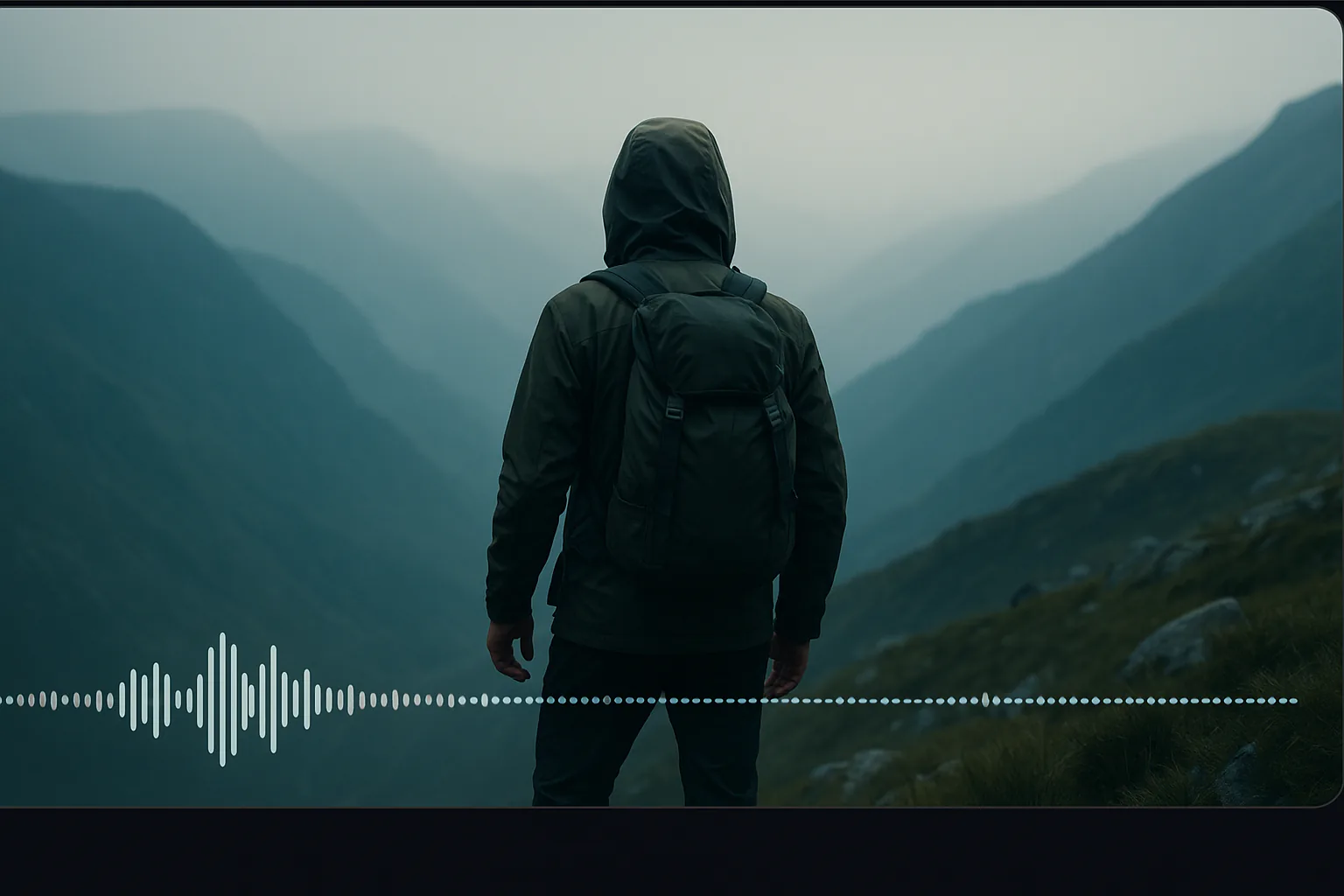
- Native Audio-Visual Sync: Prompts can include voiceovers, SFX, and BGM, with precise lip-sync. No post-production needed—generate a talking head video with narration in one go.
- 4K Native Generation: True 3840x2160 output without upscaling, plus adaptive frame rates (24-30 FPS) for cinematic smoothness. Supports 5-10 second clips in 16:9 or vertical formats.
- Semantic Accuracy: 40% better prompt following than Wan 2.2, with hierarchical temporal attention reducing flicker and enhancing motion coherence.
- Efficiency: The 5B hybrid model runs on 10GB VRAM, generating a 10-second 1080p clip in 12-15 minutes locally. Cloud options cut this to seconds for free tiers.
In benchmarks, Wan 2.5 scores high on VBench for realism (85/100) and edges Kling 2.5 in audio integration tests, producing cinematic BGM that matches scene mood. For I2V, it excels in physics simulation, like realistic water splashes or fabric ripples.
Prompt example: "A serene mountain hike at dawn, birds chirping, footsteps on gravel, slow pan to misty peaks." Wan 2.5 outputs with synced birdsong and crunching gravel, at 4K for immersive detail.
Free on GitHub with community workflows (e.g., ComfyUI), Wan 2.5's open nature fosters LoRAs for custom styles, but it demands more setup than cloud-based rivals.
Head-to-Head Comparison: Kling O1 vs Wan 2.5 Across Key Metrics
To settle "Kling O1 vs Wan 2.5 which is better," let's compare core aspects using data from side-by-side tests. We'll use a table for clarity, followed by visuals.
| Metric | Kling O1 | Wan 2.5 | Winner & Why |
|---|---|---|---|
| Text-to-Video Quality | 90% prompt adherence; superior motion fluidity (e.g., rain effects). | 85% adherence; excels in textures/physics (4K native). | Kling O1 – Better for dynamic scenes. |
| Image-to-Video | Handles 10 refs; 230% better than Runway in edits. | Strong element extraction; 30% quality uplift. | Tie – Kling for editing, Wan for fidelity. |
| Audio Sync | Multilingual lip-sync; real-time A/V. | Native voice/SFX/BGM; precise for narration. | Wan 2.5 – More seamless integration. |
| Speed | 1-2 min/clip (cloud); no local setup. | 12-15 min local; <1 min cloud. | Kling O1 – Faster for beginners. |
| Resolution/FPS | Up to 1080p, 30 FPS. | Native 4K, 24-30 FPS. | Wan 2.5 – Higher res for pros. |
| Cost/Accessibility | $0.10-0.20/sec; subscription. | Free open-source; pay-per-use cloud. | Wan 2.5 – Budget-friendly. |
| Customization | Prompt-based edits; closed-source. | LoRAs/workflows; fully open. | Wan 2.5 – For tinkerers. |
From six real-world prompts (e.g., Wukong battle, Neo monologue), Kling O1 led in visual aesthetics and camera work, while Wan 2.5 won on audio and consistency. In crowd scenes, Kling's artifacts were minimal; Wan's physics shone in rain/fireworks.
For SEO-optimized searching like "best AI video for marketing," Kling O1's editing shines for quick iterations, but Wan's open-source edge suits scalable production.
Real-World Use Cases: Where Each Model Excels
Marketing & Social Media
Kling O1 is a marketer's dream for personalized ads. Its multi-elements let you swap products into existing footage—e.g., insert a sneaker into a runner's video without reshooting. A brand like Nike could generate 10 variants in minutes, with lip-synced testimonials. Wan 2.5 counters with free 4K exports, ideal for TikTok verticals with ambient music, but requires more tweaking for brand consistency.
Example: Prompting "Energetic dancer promoting energy drink in urban gym." Kling delivers polished, editable clips; Wan adds hype BGM but may flicker on fast cuts.
Filmmaking & Storytelling
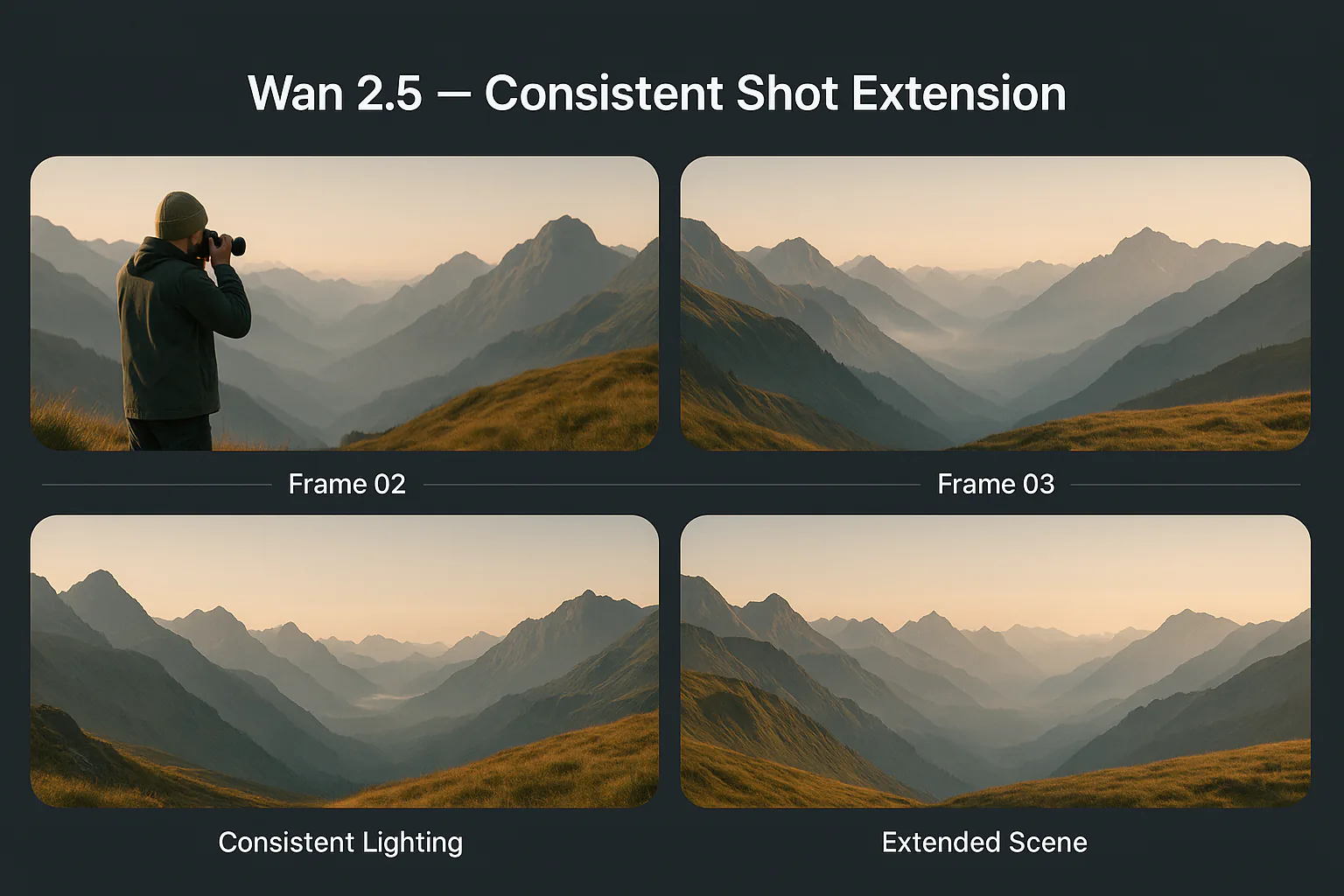
For indie filmmakers, Wan's long-form potential (extendable to 30s via keyframes) and physics accuracy make it great for pre-vis. Kling O1's subject consistency across shots builds narratives seamlessly, like maintaining a hero's scar in a chase sequence.
In tests, Wan 2.5's hierarchical attention reduced "AI wobble" by 25%, perfect for dramatic pans.
E-Learning & Explainers
Wan 2.5 dominates here with narration sync—generate a tutorial on "quantum physics" with voiced diagrams. Kling O1's editing allows post-prompt tweaks, like adding annotations.
Pros, Cons, and Limitations
Kling O1 Pros: Intuitive interface, fast cloud rendering, unmatched editing. Cons: Higher cost, black-box model limits fine-tuning; occasional over-dramatization.
Wan 2.5 Pros: Free/open, superior audio/resolution, community support. Cons: Steeper learning curve, slower local runs; beta audio glitches in low-light.
Both struggle with ultra-long videos (>30s) and complex crowds, but 2025 updates are closing gaps.
Future Outlook: What's Next for AI Video in 2026?
As Kling O1 eyes Veo 4 integration and Wan 2.5 teases 8K, expect hybrid models blending open/closed strengths. Community forks of Wan could add Kling-like editing, while Kuaishou's API expansions lower barriers.
For "Kling O1 vs Wan 2.5 future trends," watch for real-time collab features—imagine co-editing prompts live.
Conclusion: Which Wins – Kling O1 or Wan 2.5?
In the ultimate "Kling O1 vs Wan 2.5" verdict: Kling O1 edges out for versatile, pro-grade editing and speed, making it the go-to for beginners and marketers needing quick, polished results. However, Wan 2.5 is the champion for cost-conscious creators craving open-source power, 4K fidelity, and audio magic. If your workflow prioritizes text-to-video with edits, pick Kling; for scalable, audio-rich production, Wan delivers.
Try Kling O1 at klingai.com (free trial credits) or Wan 2.5 on GitHub. For a seamless image-to-video experience with multiple AI models, check out Pollo AI — your all-in-one platform for AI video generation. What's your take? Drop a comment below—did this guide help your "best AI video generator 2025" search?
Free Tools
- Free Wan2.1 Video Generator
Generate videos with Wan2.1 model
- Free Wan2.2 Video Generator
More powerful Wan2.2 model
- Speech to Video Generator
Convert speech to video
- Text to Video Generator
Transform text into videos
- Image to Video Generator
Animate your images
- Z Image Generator
AI-powered image generation
- Wan Animate AI
AI-powered animation tool
Latest Posts
Wan 3.0 Complete Guide: Native 4K AI Video Generator with 30-Second Clips & Multi-Track Audio
a month agoWan 3.0 vs Flux 3 Video: Best AI Video Generators Compared 2026
a month agoWan 3.0 vs Kling 3: Which AI Video Generator Should You Choose in 2026?
a month agoWan 3.0 vs Minimax H3: Which AI Video Generator Wins in 2026?
a month agoWan 3.0 vs Seedance 2.5: Best AI Video Generator Compared 2026
a month ago
Recommended Reading
Read More
Wan 2.6 vs Wan 2.5 vs Wan 2.2: The Complete Guide to Modern AI Video Generation
A deep dive and comparison of the three major iterations of Alibaba's Wan AI video models. We unpack their features, strengths, and best use cases for creators, developers, and businesses.

Best Veo 3.1 & Wan 2.5 Alternatives: Complete 2025 Comparison Guide
Discover the top alternatives to Google Veo 3.1 and Wan 2.5 for AI video generation. Compare Sora 2, Runway Gen-3, Luma, Pika, and more with pricing, features, and use cases.

WAN 2.5 vs Veo 3.1: Complete AI Video Generator Comparison 2025
Detailed WAN 2.5 vs Veo 3.1 comparison: speed, quality, pricing, and features. Discover which AI video model wins for your creative workflow.

Wan2.5 vs Sora 2: Flagship AI Video Generators Compared
Head-to-head look at Wan2.5 and Sora 2, covering architecture, features, motion quality, audio, pricing, and ideal use cases for 2025 creators.